Slow travel in Europe invites us to discover the world in a different way: without endless schedules, without feeling the need to visit every landmark and, above all, without the pressure to make the most of every minute of our holidays. Travelling should not become another list of tasks to complete. Instead, it should be an opportunity to unwind, discover new cultures and appreciate life’s little moments.
Imagine waking up in a charming country house in Tuscany, enjoying a leisurely breakfast overlooking the Italian hills, or wandering through the cobbled streets of a Portuguese village without worrying about the time. This is the essence of slow travel: a way of travelling that reminds us we do not need to cover thousands of miles or visit ten cities to have an unforgettable experience.
With its historic villages, natural landscapes, traditions and extensive rail connections, Europe is one of the ideal places to embrace this philosophy.
If you are considering a different kind of holiday, this guide explores what slow travel means, the best European destinations for unhurried journeys and how to plan a getaway that allows you to truly enjoy the experience.

What Is Slow Travel and Why Is It Changing the Way We Explore the World?
Slow travel is a philosophy that encourages us to slow down, spend more time in each destination and build a deeper connection with the places we visit.
Unlike conventional holidays, where we often try to explore several cities in just a few days, slow travel values the quality of experiences over the number of places visited.
It is not about travelling less, but about travelling more mindfully.
The Meaning of Slow Travel: Travelling to Enjoy, Not to Collect Destinations
Think about your last holiday. How many times did you have to wake up early to reach a tourist attraction? How many photographs did you take in a hurry before moving on to the next place?
Sometimes we return from our travels with hundreds of photographs and a long list of landmarks visited, yet feel as though we have not had enough time to rest.
Slow travel seeks to achieve precisely the opposite.
It means allowing yourself to spend an entire morning in a café, explore a neighbourhood without constantly checking Google Maps or discover a little family shop that was not even on your itinerary.
It is about learning to enjoy the present and recognising that some of the best experiences happen when we leave room for spontaneity.
The Differences Between Traditional Tourism and Slow Travel
While conventional tourism often focuses on seeing a destination’s main attractions within a limited timeframe, slow travel offers a more relaxed and personal experience.
For example, instead of visiting Rome, Florence, Venice and Milan in one week, you could spend those seven days exploring Tuscany.
You would have time to browse markets, wander among vineyards, discover villages away from the main tourist routes and savour local cuisine.
Both approaches to travel can be enriching. The difference lies in the pace and priorities of each traveller.
The Benefits of Slow Travel for Wellbeing and the Environment
Travelling at a gentler pace can offer benefits that go far beyond discovering new destinations.
One of the greatest advantages is the opportunity to disconnect from everyday responsibilities. By reducing the number of journeys and scheduled activities, we have more time to rest and appreciate our surroundings.
Slow travel can also encourage a more responsible approach to tourism.
Choosing shared transport, staying several days in the same accommodation, enjoying locally sourced produce and supporting independent businesses are decisions that can help reduce certain impacts of tourism while benefiting local communities.
However, travelling slowly does not automatically mean travelling sustainably. How we reach our destination, where we stay and which activities we choose also matter.
Why Is Europe Ideal for a Slow Travel Holiday?
Europe brings together many of the qualities that make this philosophy so appealing: historic cities, charming villages, beautiful natural settings, regional cuisine and extraordinary cultural diversity.
In many destinations, you can spend several days without constantly moving from one place to another, combining leisurely walks, markets, cultural visits and moments of relaxation.
Charming Villages, Nature and Local Traditions
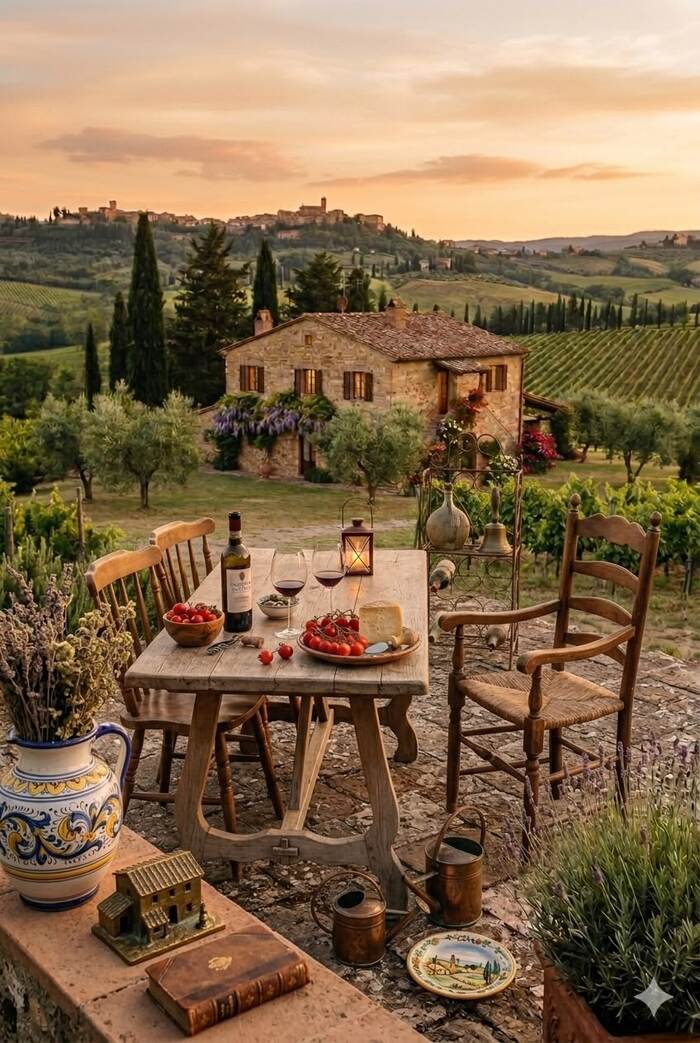
From the medieval villages of southern France to the rural communities of Portugal, Europe is home to countless places where you can discover different traditions and ways of life.
Walking along cobbled streets, visiting an artisan bakery or following trails through the countryside are simple pleasures that can become some of your most treasured holiday memories.
Choosing smaller destinations also allows you to experience aspects of a country that can easily go unnoticed when visiting only its major capitals.
If this style of travel appeals to you, discover further inspiration in this guide to European destinations with picturesque landscapes, ideal for exploring spectacular natural settings at a more leisurely pace.
Travelling by Train and Discovering Europe at a Different Pace
One of the most enjoyable slow travel experiences in Europe is travelling by train.
Instead of focusing solely on reaching your destination as quickly as possible, the journey itself becomes part of the holiday.
Imagine crossing Switzerland’s Alpine landscapes, watching the French countryside unfold beyond your window or exploring small Italian towns aboard regional trains.
You can also plan an itinerary with several nights at each stop, avoiding the need to travel every day.
For this kind of journey, services such as Interrail can help you explore European rail routes and connections. Bear in mind that certain trains require additional seat reservations.
Gastronomy, Culture and Authentic Experiences
Food is one of the most rewarding ways to get to know a place.
Visiting traditional markets, tasting regional recipes or chatting with the owners of a family restaurant can reveal stories and customs that rarely appear in travel guides.
On a slow travel holiday, there is no need to book every famous restaurant.
Sometimes, sitting on a peaceful terrace and savouring a traditional dish prepared with local ingredients is all it takes to experience the essence of a destination.
In Tuscany, for example, you can discover places such as Podere le Meraviglie, an estate surrounded by vineyards and olive groves where food and wine traditions are an integral part of the local experience.
The Best Slow Travel Destinations in Europe for Unwinding
If you love the idea of travelling without rushing, there are countless European destinations that invite you to slow down.
These six places combine nature, cultural heritage, charming villages and memorable experiences for a peaceful holiday.
1. Tuscany, Italy: Charming Villages, Vineyards and Rural Landscapes
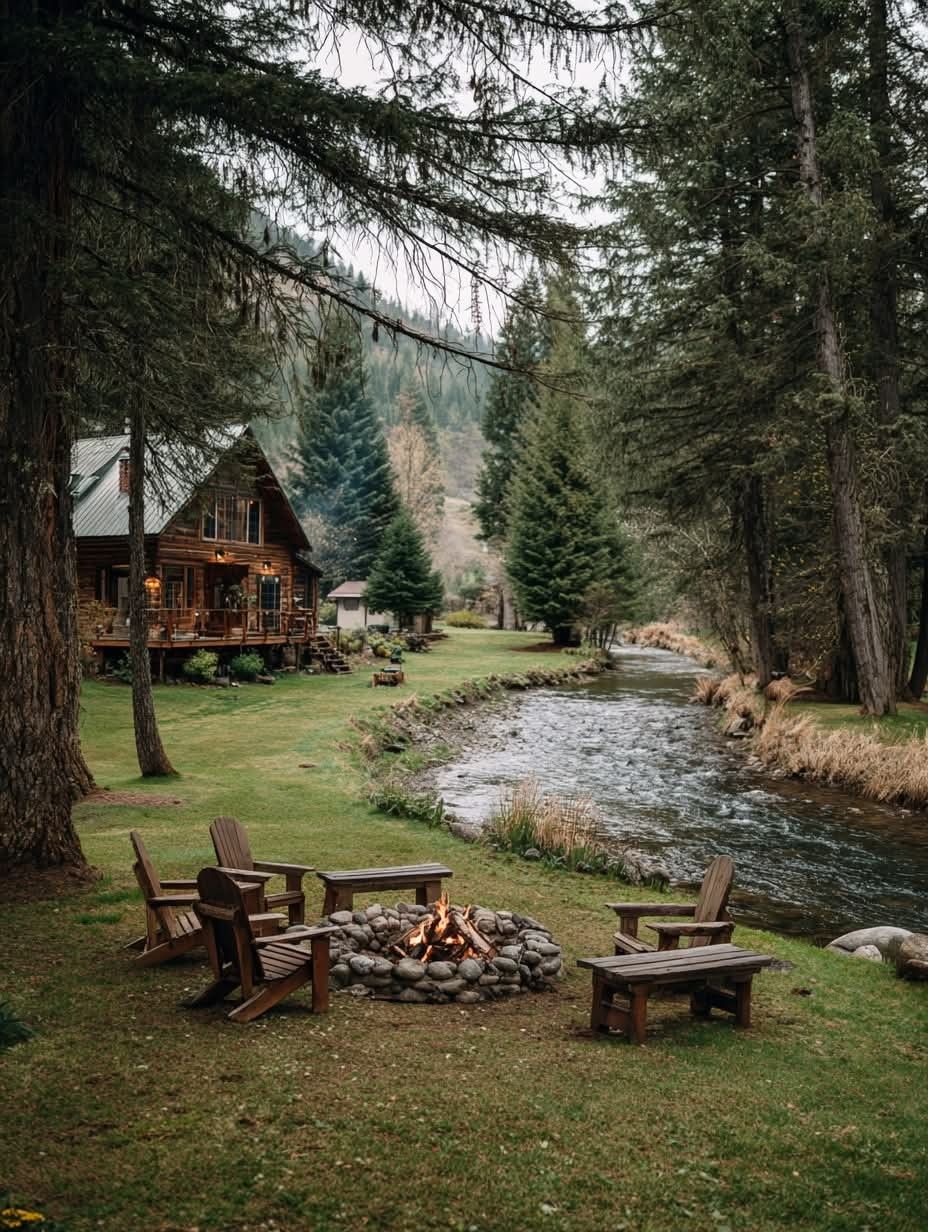
Tuscany seems made for travellers who appreciate an unhurried pace.
Its vineyard covered hills, cypress lined roads and medieval villages create a landscape that invites you to stop and take in the scenery.
Although Florence and Siena are wonderful destinations, a slow travel experience in this region can centre on towns such as Pienza, Montepulciano and San Gimignano.
You might start your day with breakfast in a small café, visit a local market, explore historic streets and end the afternoon watching the sunset over the countryside.
Gastronomy is also an essential part of the experience. Fresh pasta, olive oil, regional cheeses and seasonal produce offer a delicious introduction to Tuscan culture.
Recommended slow travel experiences: spend several days at an agriturismo, join an Italian cooking class, explore the Val d’Orcia and visit boutique wineries.
Best time to visit: spring and early autumn, when temperatures are generally more pleasant for walking and exploring.
Recommended length of stay: five to seven days in one area.
2. Alentejo, Portugal: Tranquillity, Nature and Local Life
If you are looking for a destination where time seems to move at a different pace, Portugal’s Alentejo region is an excellent choice.
Situated south of the Tagus River, the region is known for its vast plains, olive groves, cork oak forests and small towns of whitewashed houses.
One of its greatest attractions is the sense of tranquillity found in many of its villages.
You can visit Monsaraz, a medieval village overlooking the Alqueva reservoir, discover the historic heritage of Évora or spend several days exploring the rural landscapes.
The Alentejo coast is also worth visiting, with its dramatic cliffs, beaches and walking trails overlooking the Atlantic Ocean.
Regional cuisine, with its traditional breads, cheeses, olive oil and home cooking, offers another wonderful reason to linger.
Recommended slow travel experiences: explore historic villages, enjoy a countryside retreat, admire the night sky around Alqueva and savour traditional local dishes.
Best time to visit: spring and autumn, particularly for inland destinations, where summer temperatures can be very high.
Recommended length of stay: four to seven days.
3. Provence, France: Traditional Markets and Lavender Fields
Provence is one of those places that looks as though it belongs on a postcard.
Its colourful village façades, markets filled with fresh produce and fields of lavender create the perfect setting for a relaxing holiday.
Villages such as Gordes, Roussillon and Lourmarin offer an insight into the essence of Provençal life.
Here, you do not need an elaborate itinerary.
Spend the morning exploring a traditional market, buy freshly baked bread, settle down at a terrace café and continue wandering through quiet streets at your own pace.
Nature lovers will also find beautiful landscapes to explore on foot.
If you would like to see lavender in bloom, remember that the season varies by location and weather conditions. Generally, late June through July is the best period.
Recommended slow travel experiences: visit Provençal markets, explore the villages of the Luberon, taste regional specialities and enjoy countryside walks.
Best time to visit: spring or early autumn for a quieter stay; summer for lavender, although visitor numbers are higher.
Recommended length of stay: four to six days.
4. Slovenia: Lakes, Mountains and Nature Retreats
Slovenia is an excellent destination for anyone looking to combine slow travel with nature.
Despite its relatively small size, the country offers remarkable variety, from Alpine mountains and forests to lakes and villages surrounded by greenery.
One of its best known attractions is Lake Bled, famous for its small island and mountain scenery.
However, travellers seeking a more peaceful atmosphere might prefer Lake Bohinj, located near Triglav National Park.
There, you can spend several days following walking trails, relaxing beside the water or admiring the Julian Alps.
Another appealing option is to stay in a rural village and explore the surrounding area on short excursions.
Recommended slow travel experiences: walk along Lake Bohinj, discover Alpine villages, follow scenic hiking trails and sample regional specialities.
Best time to visit: late spring and early autumn, when the weather is generally pleasant for outdoor activities.
Recommended length of stay: five to seven days.
5. Asturias, Spain: Hiking, Coastal Villages and Gastronomy
You do not need to leave Spain to enjoy a slow travel holiday.
Asturias offers many of the qualities we seek when we want to disconnect: mountains, forests, small villages, beaches and a distinctive culinary heritage.
Stay in a charming countryside property, wake up surrounded by nature and spend several days exploring a single area.
Coastal villages such as Cudillero, Lastres and Llanes are ideal places for leisurely walks, sea views and discovering maritime traditions.
If you prefer the mountains, choose an area near the Picos de Europa and combine gentle walks with moments of relaxation.
Asturian gastronomy deserves its own place in your itinerary. Artisan cheeses, natural cider, fabada and other traditional dishes are part of the region’s cultural identity.
Recommended slow travel experiences: stay in a countryside retreat, enjoy hiking, visit local markets and explore traditional fishing villages.
Best time to visit: spring and autumn, when many areas see fewer visitors, although rainfall is possible throughout the year.
Recommended length of stay: five to seven days.
6. Quieter Greek Islands: Discovering the Mediterranean Without Rushing
When we think of the Greek islands, Santorini and Mykonos often come to mind.
However, Greece has many other islands where you can enjoy a peaceful holiday, especially outside the busiest summer months.
Naxos, Sifnos and Amorgos are attractive alternatives for travellers looking to explore traditional villages, beaches and Mediterranean landscapes.
The idea is to choose just one island and give yourself enough time to truly discover it.
Start your day with breakfast overlooking the sea, stroll through narrow streets lined with whitewashed houses, discover family run tavernas and spend the afternoon relaxing on the beach.
You do not need to move between islands every two days to enjoy Greece.
Recommended slow travel experiences: visit traditional villages, discover beautiful beaches, savour Greek cuisine and follow coastal walking trails.
Best time to visit: May, June, September and early October, bearing in mind that some services and transport connections may be reduced outside the main season.
Recommended length of stay: five to seven days on the same island.
If you are looking for European destinations to enjoy special moments as a couple, discover Croatia’s beaches as a setting for a romantic date, another wonderful way to experience the Mediterranean at an unhurried pace.
How to Plan a Slow Travel Holiday in Europe Step by Step
One of the advantages of slow travel is that it does not require complicated planning.
However, making a few thoughtful decisions before you leave can help you enjoy the experience even more.
Choose One or Two Destinations Instead of Visiting Several Countries
One of the most common mistakes when planning a European holiday is trying to fit too many places into a short period.
Although it may be tempting to visit several cities in a week, constant travel can become tiring.
For a slow travel holiday, it is better to choose one region and explore it at your leisure.
For instance, if you have seven days, you could spend the entire week in a Tuscan village and organise short excursions to nearby towns.
This way, you spend less time packing and moving between accommodation.
Plan a Flexible Itinerary With Plenty of Free Time
Travelling slowly does not mean giving up on planning.
The key is to find a balance between the activities you want to enjoy and the time you leave for spontaneity.
Choose one main activity each day and keep the rest of your schedule open.
If you discover a café you love one morning, you will not have to leave in a rush to reach the next stop on your itinerary.
And if you simply feel like resting for a day, that is perfectly fine too.
Choose Local Accommodation and Longer Stays
Your choice of accommodation can greatly influence your slow travel experience.
Country houses, intimate family run hotels, apartments and agriturismos can offer a more personal stay.
Spending several days in the same place also allows you to become more familiar with your surroundings.
You can discover where local residents shop, find your favourite café and establish small routines that make you feel part of the destination.
Boutique accommodation is another appealing option, particularly properties set in historic buildings or surrounded by nature.
For inspiration for a peaceful stay in Portugal, explore L’and Vineyards in Alentejo, a retreat surrounded by vineyards that brings together nature and relaxation.
Before booking, make sure the property is conveniently located and offers access to the services you may need.
Prioritise Public Transport, Trains and Walking
Where possible, using regional trains, buses or simply exploring on foot can help you experience a destination from a different perspective.
Not every part of Europe is equally well connected, so check local transport options before choosing your accommodation.
In rural areas, you may need to combine public transport with cycling, private transfers or occasional car journeys.
What matters most is avoiding unnecessary travel and choosing a way of getting around that suits the pace of your holiday.
Travel Outside Peak Season to Avoid the Crowds
Spring and autumn are often wonderful seasons for slow travel in Europe.
In many destinations, you will find pleasant temperatures for walking, landscapes that look different from those in summer and fewer visitors.
You can also experience a more authentic side of local life, from markets and shops to everyday traditions.
Before travelling, however, check the weather, opening hours and transport availability, especially in small villages and on islands.
If you prefer travelling outside peak season and enjoying peaceful surroundings, you can also discover some of Europe’s most romantic cabins, set in natural landscapes that invite you to disconnect and enjoy an unhurried stay.
Slow Travel Experiences Worth Enjoying in Europe
The true beauty of slow travel lies not only in where you go, but also in how you choose to experience your destination.
Even the simplest activities can transform a holiday.
Visit Local Markets and Discover Regional Gastronomy
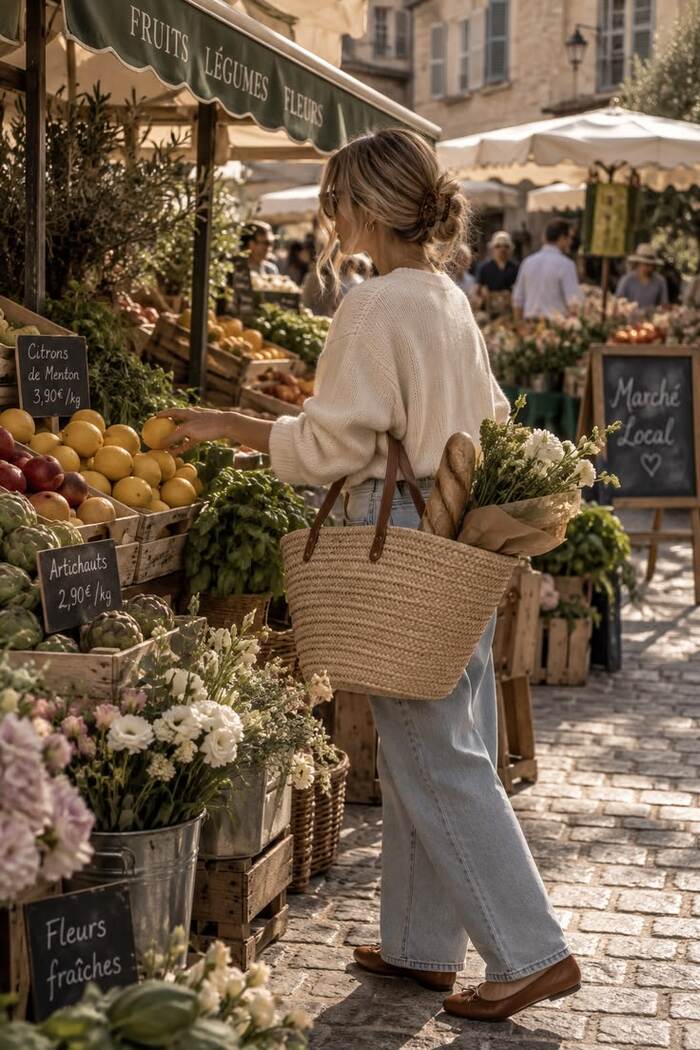
Traditional markets offer a fascinating glimpse into the culture of a destination.
There, you can discover seasonal produce, regional specialities and local food traditions.
Choose ingredients to prepare a meal at your accommodation, sample an artisan product or simply wander around and enjoy the atmosphere.
These experiences allow you to connect with everyday local life without having to organise elaborate activities.
Explore Villages on Foot and Talk to Local Residents
One of the best ways to discover a place is to walk without following a rigid itinerary.
Leave the main tourist streets behind for a while and explore small squares, bookshops, family run stores and lesser known corners.
If you have the opportunity, conversations with local residents may reveal stories, traditions and recommendations that you will not find in guidebooks.
Enjoy Nature Without a Strict Schedule
Not every memorable experience requires an extraordinary activity.
Sometimes, sitting beside a lake, walking through a forest or gazing out to sea is enough.
Nature provides countless settings in which to disconnect from the noise of everyday life.
And if you want to complement your journey with a moment of wellbeing, explore Europe’s best spas and thermal baths for relaxation, a wonderful way to combine restorative experiences with natural landscapes.
Before setting out on a hike, always check trail conditions and the weather forecast, and choose routes suited to your experience.
Take Part in Artisan Workshops and Cultural Activities
Another way to connect with the identity of a destination is to take part in experiences led by local artisans and communities.
A pottery workshop, a traditional cooking class or a visit to a small producer can introduce you to skills and knowledge that form part of the region’s cultural heritage.
Alongside the pleasure of discovering something new, these activities can also provide direct support to the local economy.
Frequently Asked Questions About Slow Travel in Europe
What Does It Mean to Travel Slowly?
It means embracing a more relaxed and mindful way of travelling, spending more time getting to know each destination, reducing unnecessary journeys and appreciating local experiences.
Which European Countries Are Best for Slow Travel?
Italy, Portugal, France, Spain, Slovenia and Greece all offer regions that are ideal for slow travel. However, virtually any European country can be enjoyed at a slower pace if you choose the right destination and plan a flexible itinerary.
How Many Days Do You Need for a Slow Travel Holiday?
There is no fixed minimum. You can embrace slow travel on a three day getaway or a holiday lasting several weeks. To discover a region at a relaxed pace, five to seven days is a good starting point.
Can Slow Travel Be a Luxury Experience?
Absolutely. Slow travel lends itself beautifully to exclusive, thoughtfully curated experiences. Spending longer in an exceptional boutique property, arranging private cultural visits and enjoying personalised gastronomic experiences allows you to discover a destination in greater depth while appreciating its finest details.
Is Slow Travel the Same as Sustainable Tourism?
Not exactly. Slow travel focuses on the pace of the journey and connecting with a destination, while sustainable tourism considers the environmental, social and economic impacts of travel. The two approaches can complement one another.
Conclusion: Slow Down and Enjoy the Journey More
We live surrounded by schedules, responsibilities and the constant feeling that we need to make every minute count. When our holidays finally arrive, it can be easy to bring that same sense of urgency with us.
We want to visit every landmark, discover the most popular restaurants and photograph every beautiful corner. Yet sometimes we forget something essential: we also travel to rest, explore and enjoy ourselves.
Slow travel in Europe reminds us that we do not need to see everything to enjoy an unforgettable holiday.
Perhaps your favourite memory of your next trip will not be a famous monument, but a morning spent enjoying breakfast without watching the clock, an unexpected conversation with a local resident or a sunset you chose to admire for a little longer.
From the rural landscapes of Tuscany to Portugal’s charming villages and Slovenia’s mountains, Europe offers endless opportunities to discover a more relaxed way of travelling.
So on your next holiday, try replacing the question “How many places can I visit?” with “How do I want to feel during this journey?”
Because, ultimately, travelling is not just about reaching new destinations. It is also about learning to enjoy the journey itself.