
Traveling through Europe is a dream for many, but sometimes the thought of high prices for accommodation, transportation, and food can discourage any traveler. However, the cheapest European capitals to travel to this year prove that it’s possible to explore the continent without spending a fortune, combining history, culture, gastronomy, and entertainment at very affordable prices.
The appeal of these capitals isn’t limited to their affordability. Cities like Budapest, Sofia, Bucharest, Belgrade, and Lisbon offer a cultural richness comparable to more well-known destinations, but with the advantage that your money goes much further.
But why are these capitals so affordable? The combination of lower tourist demand, lower local costs, and accessible transportation and leisure options means that every euro goes a long way. Furthermore, many iconic attractions, such as historic squares, viewpoints, markets, and museums with free or reduced admission, allow you to have unforgettable experiences without breaking the bank.
In this article, you’ll discover the best European capitals to visit on a budget, how much it costs to explore them, how to save on accommodation, food, and transportation, and what activities to enjoy without spending a fortune. We also include practical tips and sample itineraries to make your trip complete, fun, and affordable.
Want to know more? Keep reading!

Why these European capitals are the cheapest to travel to
When talking about the cheapest European capitals to travel to, it’s not just a subjective perception, but a combination of objective factors that directly influence a traveler’s budget. One of the main criteria is the cost of accommodation, since in these capitals it’s possible to find hotels, hostels, and tourist apartments at prices much lower than in other major European cities.
Another key factor is the price of food. In many of these capital cities, eating out at local restaurants is affordable, with complete menus at reduced prices and excellent value for money. Furthermore, markets and street food allow you to save even more without sacrificing local cuisine.
Public transport also plays an important role. These cities typically have efficient and economical transport systems, with single tickets and low-cost daily or weekly passes. This makes it easy to get around without having to spend money on taxis or car rentals.
Finally, leisure and cultural activities make all the difference. Free museums, open-air monuments, parks, historic districts, and accessible cultural events allow you to enjoy the destination without breaking the bank.

Ranking of the cheapest European capitals to travel to in 2026
Below, we present a ranking of some of the cheapest European capitals to visit, taking into account the average daily budget, traveler experience, and the variety of available activities. This ranking is ideal for both short getaways and longer trips.
Budapest (Hungary)
Budapest is one of the most attractive capital cities in Eastern Europe. It stands out for its imperial architecture, its famous thermal baths, and its vibrant cultural scene.
- Average accommodation price: between €45 and €75 per night in mid-range hotels or centrally located apartments.
- Average meal price: local menus between €9 and €13. Hungarian food is hearty and inexpensive.
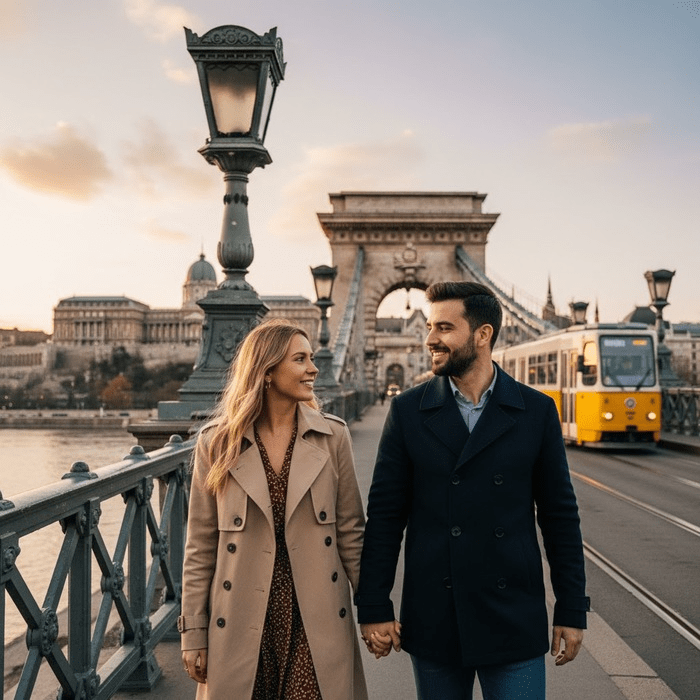
- What to see and do for free or cheaply: stroll along the Danube, cross the Chain Bridge, visit Fisherman’s Bastion, or enjoy free viewpoints.
- Ideal traveler type: cultural travelers, couples, and those seeking a balance between price and quality.
Sofia (Bulgaria)
Sofia combines ancient history with a tranquil atmosphere and very low prices. It is one of the least touristy and most affordable capital cities in Europe.
- Average accommodation price: between €35 and €60 per night.
- Average meal price: Set menus between €7 and €10 in local restaurants.
- What to see and do for free or cheaply: Alexander Nevsky Cathedral, city parks, Roman ruins, and budget-friendly museums.
- Ideal traveler type: Alternative travelers, backpackers, and lovers of less crowded destinations.
Bucharest (Romania)
Known as the “Little Paris of the East,” Bucharest surprises with its architecture, nightlife, and affordable prices.
- Average accommodation price: Between €40 and €65 per night.
- Average meal price: Traditional dishes for €8–€12.
- What to see and do for free or cheaply: Old Town, parks, historic churches, and exterior views of the Palace of the Parliament.
- Ideal traveler type: City travelers, groups of friends, and weekend getaways.
Belgrade (Serbia)
Belgrade is a vibrant, young capital city with one of the best value-for-money ratios in Europe.
- Average accommodation price: between €35 and €60 per night.
- Average meal price: set menus between €7 and €11.
- What to see and do for free or cheaply: Kalemegdan Fortress, riverside walks, local markets, and cultural events.
- Ideal traveler type: young travelers, nightlife enthusiasts, and those on a budget.
Lisbon (Portugal)
Lisbon is one of the most affordable capital cities in Western Europe, boasting great charm and a pleasant climate.
- Average accommodation price: between €60 and €90 per night.
- Average meal price: set menus between €10 and €14.
- What to see and do for free or cheaply: viewpoints, historic neighborhoods, trams, walks along the Tagus River, and museums with free admission days.
- Ideal traveler type: couples, cultural travelers, and foodies.

How much does it cost to travel to a cheap European capital?
Traveling to one of the cheapest capitals is entirely possible on a budget if you choose your destinations and services wisely. Capital cities like Budapest, Sofia, Bucharest, and Belgrade offer a complete experience for much less money than other more popular European cities.
Approximate daily budget
In cities like Sofia and Belgrade, the average daily budget can range from €50 to €65 per person, while in slightly more expensive capitals like Budapest and Lisbon, spending is around €65 to €80 per day, including accommodation, food, transportation, and basic leisure activities.
Accommodation
Accommodation is one of the main ways to save money in these capital cities.
- Budapest: mid-range hotels or apartments in central districts from €45–€70 per night.
- Sofia: hostels and well-rated hotels from €35–€55.
- Bucharest: tourist apartments from €40–€65.
- Belgrade: budget hotels from €35–€60.
Food
Eating out is affordable and of good quality in these cities.
- Budapest: Traditional Hungarian menu (goulash, paprika chicken) for €9–13.
- Sofia: Typical Bulgarian dishes such as shopska salad or kebabs for €7–10.
- Bucharest: Local restaurants with Romanian dishes from €8–12.
- Lisbon: Set menus in local taverns from €10–14.
Transportation
Public transport is efficient and inexpensive.
- Budapest: Day pass for €5–6.
- Sofia: Single ticket for €1 and day pass for €3.
- Bucharest: Metro and bus with tickets from €0.60–1.
- Belgrade: Public transport from €1–2 per journey.
Leisure
Many attractions are free or very inexpensive.
- Budapest: Walk along the Danube, visit Fisherman’s Bastion, and see the Parliament building (exterior) for free.
- Sofia: Free admission to the Alexander Nevsky Cathedral and open-air Roman ruins.
- Bucharest: Free admission to the Old Town and city parks.
- Belgrade: Free admission to Kalemegdan Fortress and views of the Danube-Sava confluence.
Tips for traveling cheaply to European capitals in 2026
Traveling to the cheapest European capitals can be even more affordable if you follow some practical tips. Destinations like Budapest, Sofia, Bucharest, Belgrade, and Lisbon offer plenty of opportunities to save money without sacrificing a complete experience.
Book accommodation in well-connected neighborhoods
In Budapest, staying in districts like the 7th or 8th allows you to save money without being far from the city center, thanks to the metro. In Lisbon, neighborhoods like Alcântara or Arroios offer lower prices than the historic center and good transport connections. In Sofia and Bucharest, staying near metro stations reduces expenses and travel time.
Eat where the locals eat
Avoid touristy restaurants in very central areas. In Budapest, look for local eateries away from Váci Utca. In Sofia, traditional restaurants outside the city center offer complete meals for under €10. In Belgrade, local bakeries and restaurants are an excellent option for eating well and cheaply. In Lisbon, traditional tascas (small, informal restaurants) and “pratos do dia” (set meals) help keep your budget under control.
Take advantage of public transport and walk
These capital cities have efficient and affordable public transport systems. Sofia and Bucharest have very cheap tickets, while Budapest and Lisbon offer daily or multi-day passes that significantly reduce costs. Many tourist areas are also walkable, allowing you to save money and explore the city at your own pace.
Prioritize free or low-cost activities
Strolling along the Danube in Budapest, visiting the Alexander Nevsky Cathedral in Sofia, exploring Bucharest’s Old Town, or enjoying the Kalemegdan Fortress in Belgrade are all completely free. In Lisbon, the viewpoints and historic districts offer some of the best views at no cost.
Travel in the low or shoulder season
Avoiding the summer months and holidays helps reduce the price of accommodation and flights. Spring and autumn are ideal times to visit the cheapest European capitals to travel to this year, with good weather, fewer tourists, and lower prices.
Plan ahead, but leave room for spontaneity
Booking flights and accommodation in advance guarantees better prices, but leaving time to discover local activities, markets, and free events allows you to enjoy authentic experiences without spending more money.

Frequently asked questions about cheap European capitals
Below, we answer the most common questions about the cheapest European capitals to travel to, based on real destinations and tight budgets.
Which is the cheapest European capital to visit this year?
Among the most affordable options are Sofia (Bulgaria) and Belgrade (Serbia). Both capitals allow you to travel on a daily budget of approximately €50–€60, including accommodation, food, transportation, and basic leisure activities.
Sofia is usually especially cheap for transportation and food, while Belgrade stands out for its budget-friendly accommodation and vibrant, low-cost cultural scene.
Is it possible to travel around Europe on a budget?
Yes, it’s entirely possible. Choosing the cheapest European capitals to visit, such as Budapest, Bucharest, or Sofia, allows you to explore Europe without breaking the bank. Furthermore, traveling during the off-season, using public transportation, and prioritizing free activities helps keep your budget under control, even on longer stays.
Which European capital is cheapest for food?
Sofia and Bucharest are two of the cheapest European capitals for food. In Sofia, you can usually find traditional meals for €7–10, while in Bucharest you can eat well for €8–12. Belgrade is also known for its bakeries and local restaurants with very affordable prices.
When is the best time to travel cheaply to Europe?
The best time to cheapest European capitals to travel to Europe is during the shoulder season, especially spring (April–May) and autumn (September–October). During these months, capital cities like Budapest, Lisbon, and Bucharest offer good weather, fewer tourists, and lower prices for accommodation and flights. Avoiding summer and national holidays is key to saving money.

Want to visit the cheapest European capitals to travel to? Contact professionals!
If you’re excited about discovering the most affordable European capitals to travel to in 2026, but don’t know where to start, don’t worry! At Perfect Venue, we offer packages and a completely personalized service to guide you according to your tastes and preferences. We have options for everyone!
And if you want your trip to be a more special occasion for couples, then count on the team at Natalia Ortiz Events, who will take care of the organization and decoration of your evening, creating a welcoming and unique atmosphere. Every detail counts to make your experience in these budget-friendly capitals truly unforgettable.
If you need more information, check out the European gastronomic capitals that every foodie should know, the European cities with the best medieval architecture, and honeymoons in Europe according to the season. You’ll love it!