

Europe is culturally renowned for its wedding celebrations; however, the way they are celebrated varies between the north and south of the continent. Traditional weddings in northern and southern Europe exhibit clear differences. Climate, religion, the concept of family, and even the social environment have profoundly influenced how each region understands marriage. Intimacy, music, and the style of celebration are all factors that vary depending on where you are.
Nevertheless, the meaning remains universal across the continent: the emotional idea of uniting your life with your partner’s continues to be a romantic dream for many couples.
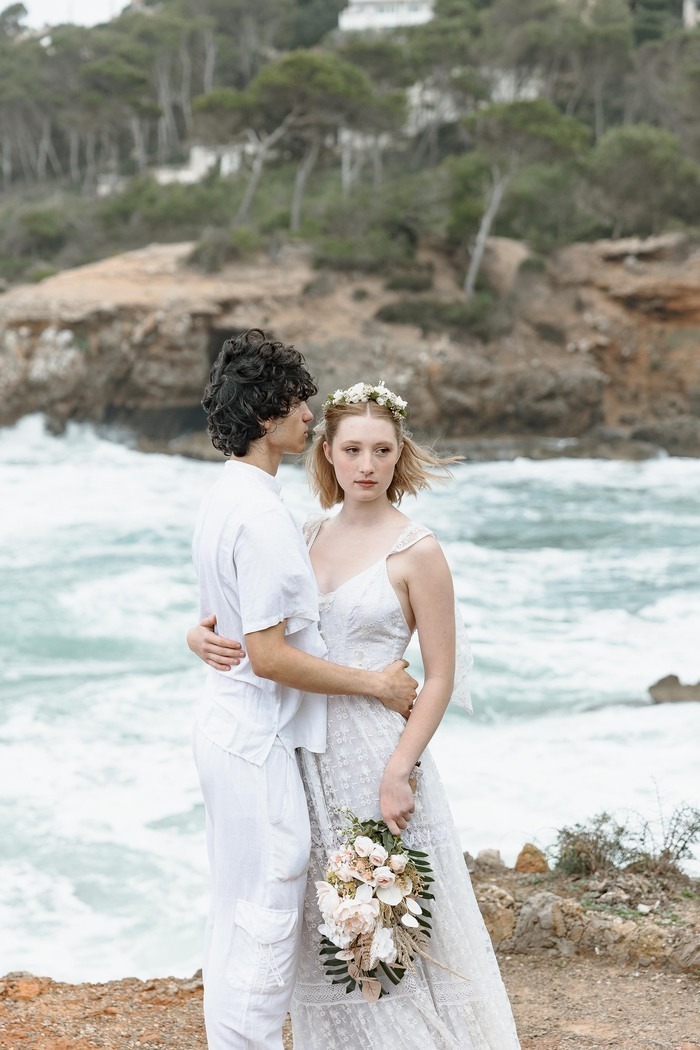
What characterizes traditional weddings in Northern and Southern Europe?
Traditional weddings in Northern and Southern Europe are characterized by several aspects. We highlight the following:
- Civil or religious ceremony: In Europe, the religious aspect is still present in traditional weddings. However, more and more couples are choosing a secular ceremony, moving away from the church’s traditional role in marriage.
- Exchanging rings as a symbol of commitment: This is a common practice in all European weddings. Exchanging rings as a symbol of union and loyalty remains one of the most anticipated moments in any European wedding.
- White dress for the bride: The typical white wedding dress comes from a tradition that dates back to the 19th century. Today, although some brides want to move away from this color, it remains by far the most common.
- Reception afterward with family and friends: Traditional weddings in Northern and Southern Europe usually include a reception after the ceremony. This is not only common in Europe but also in much of the world.
- Music and dancing as a festive finale: every wedding is set to music and dancing. It’s a common element in all weddings.
However, beyond these commonalities, the cultural differences between traditional weddings in the north and south are evident. The difference in lifestyle means that each country adapts this celebration to its own culture. Traditional weddings in northern and southern Europe offer a wide range of possibilities!
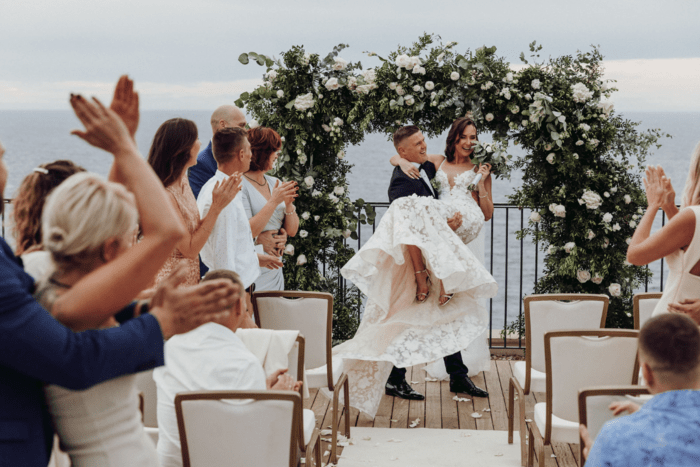
Weddings in Northern Europe
In countries like Sweden, Norway, Denmark, Germany, and the Netherlands, traditional weddings reflect the cultural values of these societies: a connection with nature, understated elegance, and intimate celebrations.
Style, Atmosphere, and Type of Celebration
Unlike Southern Europe, where large and very expressive parties predominate, in the north the approach tends to be more reserved and balanced.
- Connection with Nature: In Northern Europe, nature is integrated into daily life. It’s a cultural style. Therefore, weddings in these regions are often held in forests, by lakes, or fjords. They also take full advantage of natural light: the Scandinavian summer is the ideal time.
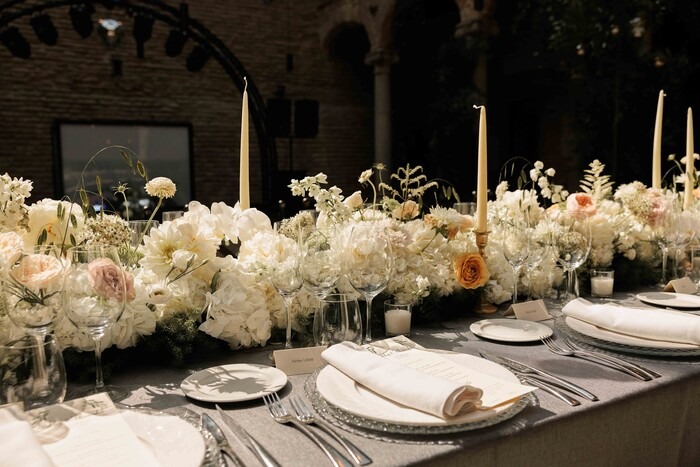
- The aesthetic follows a natural and rather minimalist style: decorations with natural elements such as wood or wildflowers. The color palette is characterized by white and green tones that complement the natural colors of the season. The dresses are classic and understated. The makeup is characterized by its naturalness. We can say that they stand out for their elegant restraint.
- The civil ceremony has great legal and social significance: first, the civil marriage takes place at the town hall, followed by the religious or symbolic ceremony. In countries like Germany or the Netherlands, this is quite common.
- Emotion is more restrained: unlike in Southern Europe, there is usually no excessive public display of emotion. Feelings are expressed through words in the speeches. At the same time, the reception is usually lively but very rarely becomes overly festive.
Common Wedding Customs and Rituals
The ceremony usually shares common elements such as a reception with coffee and cake, speeches, and dancing. However, there are also differences compared to Northern European countries. Each has its own unique characteristics.
- Sweden: gender equality is a predominant value in Swedish weddings. Therefore, it is common to see both parents accompany the bride to the altar as a symbol of equality between them.
- Norway: Brides are often seen wearing silver crowns. Historically, in Norway, these were used to ward off evil spirits. Many couples in this region also marry in traditional Norwegian attire called Bunad.
- Denmark: As an interesting anecdote, the groom’s socks are cut off at the beginning of the ceremony. This peculiar custom symbolizes the humor, sense of community, and wit characteristic of the country.
- Germany: A notable tradition in Germany is the Polterabend. This pre-wedding party is well-known because the couple’s friends break porcelain items. The bride and groom also often participate in games organized during the reception. Weddings are characterized by meticulous and detailed planning.
The Netherlands: Civil weddings are quite common in the Netherlands, resulting in a high degree of personalization. Bicycles are a typical symbol of Dutch culture, often used for transportation on the wedding day. The atmosphere is relaxed but just as meticulously planned as in Germany.
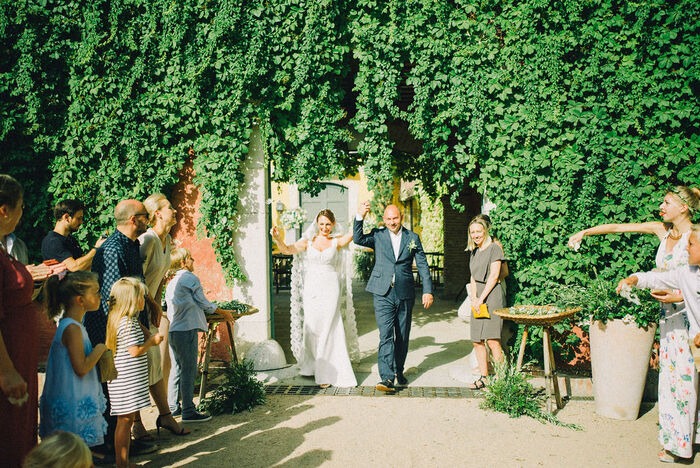
Weddings in Southern Europa
In countries like Spain, Italy, Portugal, and Greece, weddings are true social events. They unite not only two people, but also entire families, circles of friends, and, in many cases, a whole community. They are unique in that they are grand celebrations deeply rooted in religious and family tradition.
Large and festive celebrations
Southern Europe is famous for its close-knit, joyful, and relaxed social atmosphere. Weddings are no exception to these strong cultural hallmarks.
Large number of guests: In Southern Europe, it’s common to see between 150 and 300 guests. These include distant relatives, acquaintances, family friends, colleagues, and classmates. The wedding is a major social event that can last until dawn.
Emotional and expressive atmosphere: Speeches are heartfelt, personal, and full of emotion. Tears and humor are equally common, as is interaction among the guests. In these cultures, emotions are experienced intensely and shared.
Deeply Rooted Family and Religious Traditions
In the south, weddings are notable for the central role of the Catholic religion and family. It’s very common to see both elements present in almost every wedding.
- The strong influence of the Church: in much of Europe, the tradition is Christian. This fact has historically shaped weddings. Ceremonies are a key religious ritual at the event. Furthermore, special attention is given to the ceremony venue. Choosing a historic church, or one with striking architecture, is quite popular.
- The family is at the heart of the celebration: parents usually play a prominent role. There is also a strong financial and organizational commitment to the event. In the case of Spain and Italy, they even maintain quite a tradition when it comes to seating guests at tables.
Although we find many similarities among all the southern regions, such as the relaxed celebrations and religious significance, each country has its own striking traditions:
- Spain: It is quite common to maintain the exchange of arras. These are 13 coins that symbolize prosperity in the new marriage. It is also common to throw petals or rice when the newlyweds leave the church after the ceremony.
- Italy: Famous for bomboniere, which are small symbolic gifts given. Also, for traditional songs such as serenades before the ceremony.
- Greece: They maintain an ancient ritual based on a coronation during the Orthodox Christian ceremony. Additionally, a unique custom is throwing money during the dancing.
- Portugal: It has traditions similar to Spain, due to its proximity, such as the Catholic influence. The atmosphere is familial, communal, and informal.
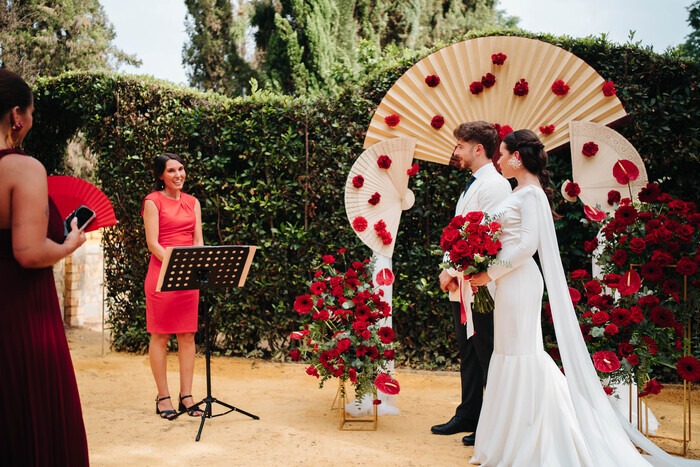
North vs. South: Key Differences in European Weddings
Traditional weddings in Northern and Southern Europe have clear differences in atmosphere, approach, and type of celebration.
- Different Approaches: In the North, it’s quite common to consider nature as a primary element in any wedding celebration. The religious aspect takes a back seat, or often, is even nonexistent. However, in Southern Europe, religion and family are paramount in these celebrations. Nature is seen as an added value.
- Emotionality: Southern countries are well-known for their emotion and joy. Weddings in Italy or Spain perfectly embody this. They stand out for their humor, joy, and the warmth of the speeches and atmosphere. It’s common to create a sense of community at these events.
- Privacy: Weddings in the Northern regions are known for being very private and reserved. The number of guests is usually small, and the relationships with the guests tend to be close.
Food and Duration of Celebrations
Traditional weddings in Northern and Southern Europe also differ in their food and the duration of the celebrations. Each country, according to its dietary customs and social culture, plays a distinct role.
- Food: In the North, the food is characterized by its practicality and elegant presentation. It is usually a set menu of two or three well-presented, albeit minimalist, courses. Dessert or coffee is offered at the end. However, in Southern Europe, the menu consists of multiple appetizers and several main courses. A dessert table and an open bar complete the banquet. Here, food is a symbol of hospitality and affection.
- Duration of the Celebration: In the South, celebrations are more extended, lasting until dawn. The bride and groom are central to the festivities, often the focus of jokes and laughter. In the North, the celebration is more subdued. So it doesn’t lose its elegance, but it doesn’t approach the sense of celebration that exists in countries like Spain or Portugal.
How much do traditional weddings cost in Northern and Southern Europe?
Traditional weddings in Northern and Southern Europe involve economic differences that, in turn, reflect cultural differences in how they are celebrated. Although the final cost depends on the number of guests, the city, the season, and the chosen style, there are clear trends in each region.
In Northern Europe, in countries like Sweden, Norway, Denmark, Germany, and the Netherlands, the average cost of a wedding for around 80-100 guests is usually between €14,000 and €22,000. In Germany and the Netherlands, for example, many standard weddings cost around €15,000-€18,000, while in the Nordic countries, the cost can approach or exceed €20,000 due to the generally higher price levels.
In Southern Europe, on the other hand, the cost tends to be higher overall. In countries like Spain, Italy, Portugal, and Greece, a traditional wedding with 120-200 guests can cost between €20,000 and €40,000, and even more in exclusive destinations or for large celebrations. Italy tends to have the highest budgets, especially in regions with high tourist appeal, while in Spain and Portugal the average is somewhat lower but still significant when long banquets, open bars, live music, and lavish decorations are included.
- One of the main reasons for this difference is the importance of the banquet. In the south, the food is the centerpiece of the event: multiple appetizers, several main courses, wines, desserts, a candy bar… The cost per guest can easily exceed €150-€200 for catering alone.
- The duration of the celebration also influences the budget. In the north, weddings usually start earlier and end around midnight or shortly after. In the south, the party can go on until three, four, or even five in the morning, which means more hours of music, staff, an open bar, and venue rental.
In short, although the standard of living in Northern Europe is generally higher, the more intimate and structured wedding style means the average budget is somewhat more moderate. In the south, the social aspect, the number of guests, and the importance of the reception make the wedding a more expensive event. However, in both regions, the final cost depends primarily on the size of the celebration and the level of personalization the couple desires. Here’s a guide to help you plan your wedding budget without feeling overwhelmed.
Current Trends in European Weddings
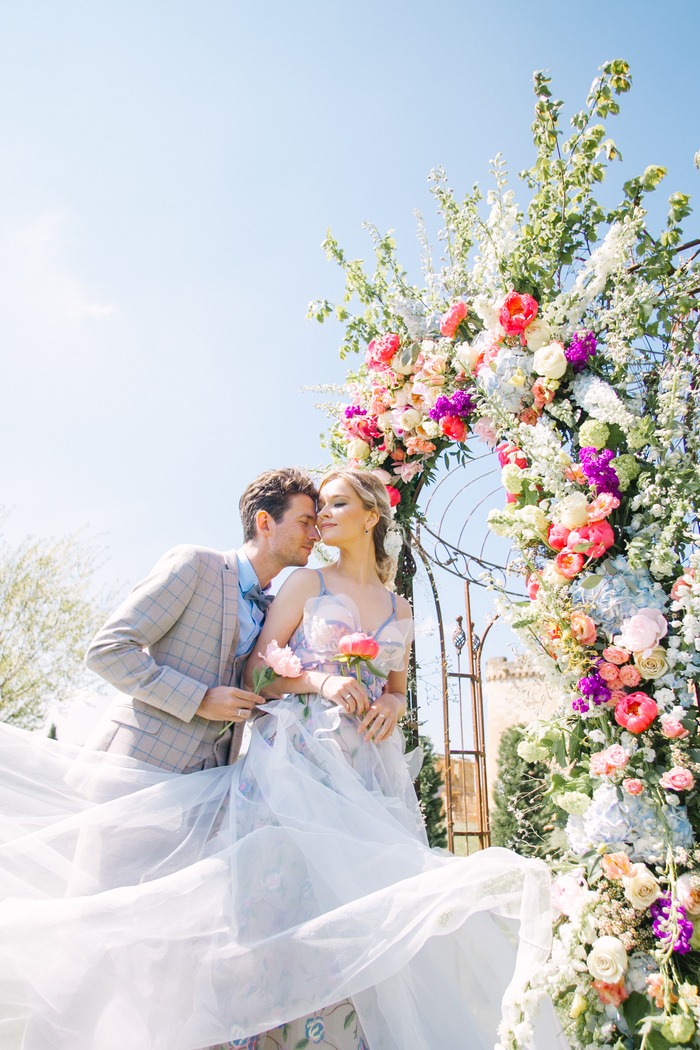
In 2026, traditional weddings in Northern and Southern Europe are evolving into more personalized, authentic, and socially impactful celebrations. Couples are looking not only to celebrate their love but also to create memorable and unique experiences.
- The search for authenticity and personal expression: many couples seek designs that reflect their story, values, and personality. Standardized patterns are no longer followed.
- Novel and communal experiences: activities such as group excursions, brunch the next day, or decorating workshops are increasingly requested by couples. This fosters a greater sense of community and trust among the guests.
- Extended celebrations: traditional weddings in Northern and Southern Europe are becoming increasingly longer, sometimes even lasting the entire weekend. The special moment is no longer confined to a single day. Now, it’s extended as long as possible!
- Innovative gastronomy: Couples are increasingly opting for interactive culinary experiences such as food stations, “sharing” dinners, and creative presentations.
- Focus on event sustainability: Respect for nature has gone from being a secondary option to a requirement in many celebrations. The use of local or plantable flowers, reusable or recycled decorations, and invitations on recycled paper or digitally are increasingly popular.
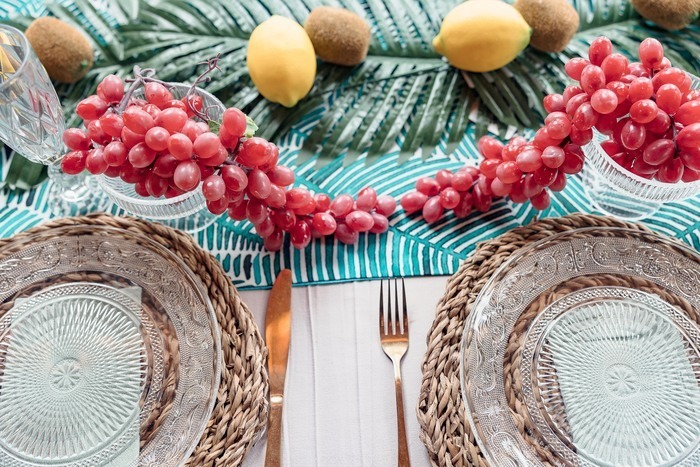
- Contemporary decor: The minimalist trend continues, but with added touches of personality. The color palette is also evolving towards emerald green and cherry red.
- Photography with visual storytelling: It’s no longer just about good photos; now, the goal is to tell a story through them. Capturing emotions with a narrative approach. Techniques such as film photography and drones for panoramic shots are used.
- The rise of technology in efficient organization: Technology is an essential element in today’s wedding celebrations. From QR codes on invitations for RSVPing to digital platforms for sharing event photos, everything is designed for maximum convenience.
What are the main differences between traditional weddings in Northern and Southern Europe?
One of the main differences between traditional weddings in Northern and Southern Europe is the sense of privacy at the event. In the South, there are a large number of guests, while in the North, it’s a very small group close to the couple.
Are weddings bigger in Southern Europe?
Yes, they tend to be bigger and more lavish due to the number of guests and the banquet. However, it all depends on each couple’s personal style.
What traditions are common throughout Europe?
Religious and family traditions are common in Europe. That is, weddings are often held in churches with many close and loved ones. Furthermore, the family plays a central role in the celebration.
Where is it more expensive to get married, in Northern or Southern Europe?
Despite salaries being higher in Northern Europe, getting married in the South is generally more expensive. It all comes down to the length of the celebration, which increases the price, and the number of guests at the reception. However, traditional weddings in Northern and Southern Europe cater to all budgets.
If you want to learn more about wedding culture in Europe, keep reading!
Understanding the differences between traditional weddings in Northern and Southern Europe is the perfect inspiration for planning your own. Contact us to organize that dream wedding you’ve envisioned. Don’t hesitate to trust Perfect Venue!
If you’re also looking for information on other approaches to wedding celebrations, such as slow weddings—a booming trend—or elopement weddings in Iceland amidst waterfalls and glaciers, tell us which one resonates most with you!