
European destinations with the most picturesque landscapes inspire any photographer seeking scenes filled with light, history, and natural contrasts. Europe offers a unique visual diversity on a single continent: from majestic mountains and rugged coastlines to crystalline lakes, medieval villages, and vast fields that transform with each season. This richness makes every trip an opportunity to discover new possibilities.
One advantage is the variety of distances, which are relatively short. In just a few hours, it’s possible to go from a misty alpine setting to a Mediterranean landscape bathed in golden light. Furthermore, the combination of nature and cultural heritage adds narrative depth to every image. Castles, cobbled streets, solitary lighthouses, and seaside terraces add context and character to the compositions.
On this tour, you’ll discover some of the most inspiring European destinations for photographers, places where light, surroundings, and history come together to create memorable scenes. From stunning natural landscapes to romantic settings and picture-postcard villages, you’ll find ideas to plan your next getaway with your camera ready and your creativity flowing.
Want to know the best European destinations with the most picturesque landscapes? Keep reading!
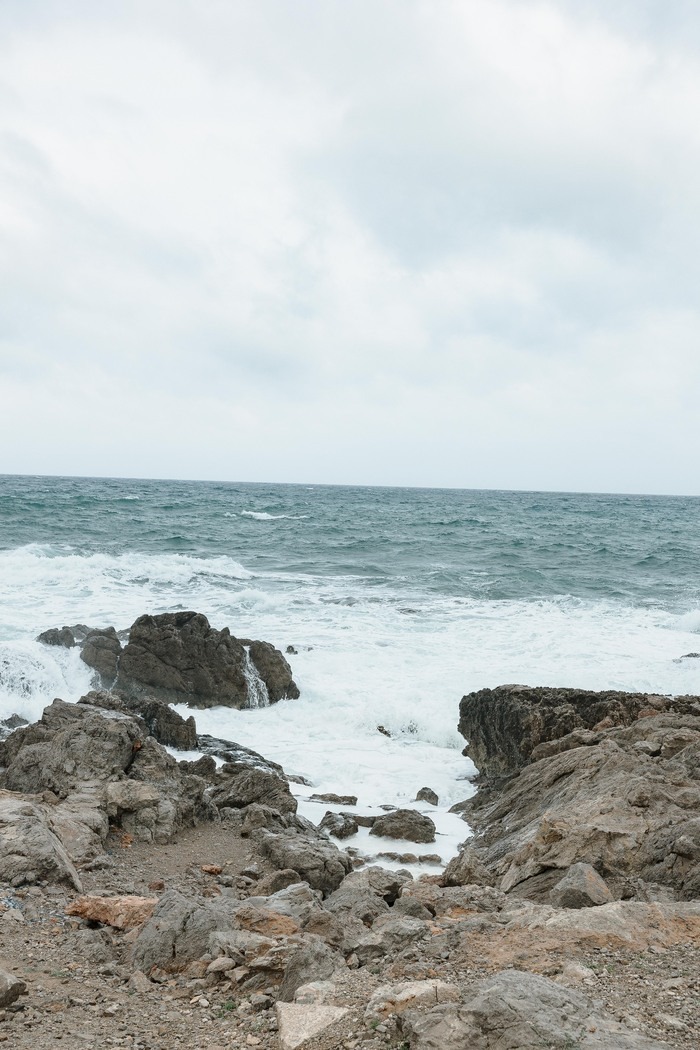
Why Europe is the best continent for photographers seeking picturesque landscapes
European destinations with the most picturesque landscapes offer a diversity and visual richness rarely found on any other continent. From breathtaking fjords and snow-capped mountains to sun-drenched coastlines and fields bursting with wildflowers, Europe blends nature and cultural heritage seamlessly.
This variety allows photographers to capture unique scenes without having to travel great distances, moving in just a few hours from alpine landscapes to medieval villages, serene lakes, or dramatic coastlines. Furthermore, the changing light of each season and the contrasts between historic architecture and natural environments provide endless opportunities to compose memorable images.
What makes a destination truly picturesque for photography?
For photographers, not all places are equally appealing: what makes a place truly picturesque is the combination of natural elements, architecture, and atmosphere that captures attention and sparks creativity. European destinations for photographers stand out precisely because of this harmony between landscape and heritage.
Furthermore, a picturesque destination offers visual diversity and opportunities for different photography styles: from sweeping shots that showcase the grandeur of the landscape to close-ups that reveal textures, colors, and cultural elements.
Natural light, the seasons, and changing weather also play a key role, transforming each scene and allowing the same place to look completely different depending on when it is photographed.
That’s why European destinations with the most picturesque landscapes are considered ideal: they offer endless compositional possibilities and a range of atmospheres that make each image tell a story.
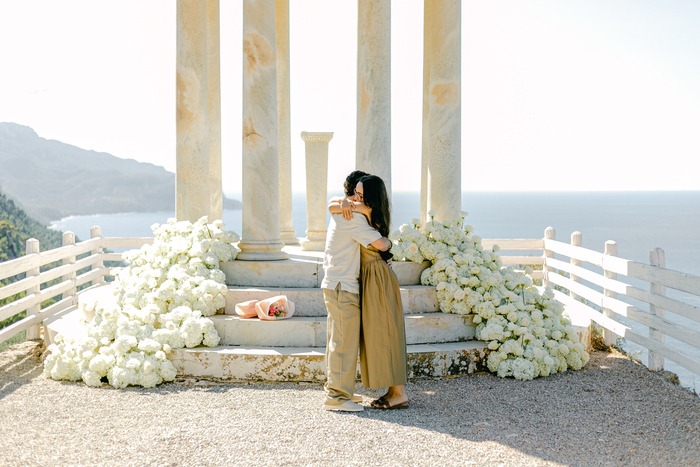
The European destinations with the most picturesque landscapes for photographers
Europe is full of corners that seem straight out of a fairy tale, ideal for capturing picturesque landscapes in Europe. Below, we present a selection of the most inspiring destinations for photographers, with practical details to help you plan your shots and make the most of each location.
Plitvice Lakes National Park, Croatia
- Description: Turquoise lagoons connected by waterfalls, surrounded by lush forests and wooden walkways.
- Why it’s a must-see: Every corner combines water, vegetation, and natural structures to create spectacular compositions.
- Ideal photography style: Long exposure, expansive landscapes, and natural details.
- Exact best spots: Veliki Slap Waterfall, Lake Kozjak, platforms overlooking the lower lakes.
- Best time of year: Spring and autumn for vibrant colors and optimal water flow.
- Best time of day: Sunrise and sunset for warm, soft light.
- Crowd level: Medium to high during peak season, quieter off-season.
Hallstatt, Austria
- Description: Alpine village on the shores of a lake, with mountains in the background and fairytale architecture.
- Why it’s a must-see: Reflections in the water and the harmony between architecture and nature create dreamy photos.
- Ideal photography style: Classic landscapes, reflections, symmetrical compositions.
- Best exact spots: Lakefront viewpoints, old pier, Skywalk.
- Best time of year: Spring and autumn to avoid crowds; winter with snow is also magical.
- Best time of day: Early morning to capture perfect reflections.
- Crowd level: High in peak season.
Cinque Terre, Italy
- Description: Five colorful villages perched on cliffs overlooking the sea, ideal for coastal photography.
- Why it’s a must-see: Vibrant houses contrast with the blue sea and the trails that connect the villages.
- Ideal photography type: Coastal landscape, architecture, and drone photography.
- Best exact spots: Vernazza from the viewpoint, Manarola from the Via dell’Amore trail.
- Best time of year: Spring and autumn to avoid tourists and extreme temperatures.
- Best time of day: Golden hour to highlight colors.
- Crowd level: High in summer.
Vatnajökull National Park, Iceland
- Description: Glaciers, geysers, and glacial lagoons offer dramatic and ever-changing landscapes.
- Why it’s a must-see: Ice and water scenery allows you to capture unique and wild scenes.
Ideal photography type: Arctic landscape, Northern Lights, ice macro. - Best exact spots: Jökulsárlón Lagoon, Diamond Beach, accessible glaciers.
- Best time of year: Winter for Northern Lights and summer for consistent daylight.
- Best time of day: Blue hour and night for Northern Lights.
- Crowd level: Medium, less so outside Reykjavík.
Santorini, Greece
- Description: Island with white houses and blue domes perched on volcanic cliffs, overlooking the Aegean Sea.
- Why it’s a must-see: Intense colors and iconic architecture create picture-postcard images.
- Ideal photography type: Cityscapes and seascapes, color contrasts.
- Best exact spots: Oia at sunset, Fira from the cliffs.
- Best time of year: Spring and autumn for soft light.
- Best time of day: Sunset to capture the warm colors.
- Crowd level: Very high in peak season.
Algarve, Portugal
- Description: Rugged coastline with caves, cliffs, and golden beaches lapped by turquoise waters.
- Why it’s a must-see: Coastal landscapes that combine rock and sea textures, ideal for unique compositions.
- Ideal photography type: Coastal landscapes, panoramas, rock textures.
- Best exact spots: Benagil Sea Cave, Praia da Marinha, Ponta da Piedade.
- Best time of year: Spring and autumn for soft light and fewer tourists.
- Best time of day: Morning and evening for side lighting.
- Crowd level: Medium-high in summer.
Lofoten, Norway
- Description: Archipelago with steep mountains, white beaches, and blue fjords.
- Why it’s a must-see: Wild nature and unique Arctic light, perfect for dramatic landscapes.
- Ideal photography type: Arctic landscape, long exposure, aurora photography.
- Best exact spots: Sørvágsvatn, Kvalvika Beach, Reine.
- Best time of year: Spring–summer or winter for the Northern Lights.
- Best time of day: Extended golden hour.
- Crowd level: Low–medium depending on the season.
Provence, France
- Description: Lavender fields and charming villages in pastel shades that look like they’ve been lifted from a painting.
- Why it’s a must-see: Intense natural colors and perfect guiding lines for compositions.
- Ideal photography type: Floral landscape, rural scenes, and village details.
- Best exact spots: Gordes, Roussillon, fields around Valensole.
- Best time of year: June–July during lavender bloom.
- Best time of day: Sunrise or sunset to bring out the colors.
- Crowd level: Medium.
This selection of European destinations with the most picturesque landscapes combines nature, charming villages, and coastal and mountain scenery, offering unique opportunities to capture memorable and atmospheric photos
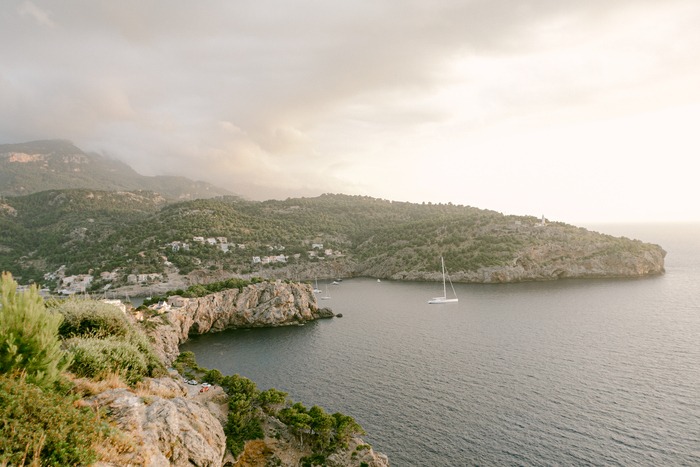
When is the best time to photograph Europe’s most beautiful landscapes?
Choosing the right moment is key to visit European destinations with the most picturesque landscapes in all their splendor. Each season offers unique opportunities: spring fills fields with flowers and forests with vibrant greens, creating a perfect contrast with crystal-clear rivers and lakes. Summer brings long days, clear skies, and ideal temperatures for exploring coastlines, villages, and mountains, as well as local festivals and celebrations that add color and life to your photographs.
Autumn is especially appealing for capturing European landscapes in warm tones: golden forests, multicolored vineyards, and villages shrouded in morning mist offer dramatic and romantic scenes. Winter, meanwhile, transforms mountains, lakes, and cities into snowy postcards, creating magical and tranquil atmospheres that work perfectly for both landscape and cityscape photography.
Therefore, the best time will depend on the type of landscape and atmosphere you want to capture, but Europe, with its geographical and climatic diversity, allows photographers to find picturesque landscapes throughout the year, each season with its own charm and creative possibilities.
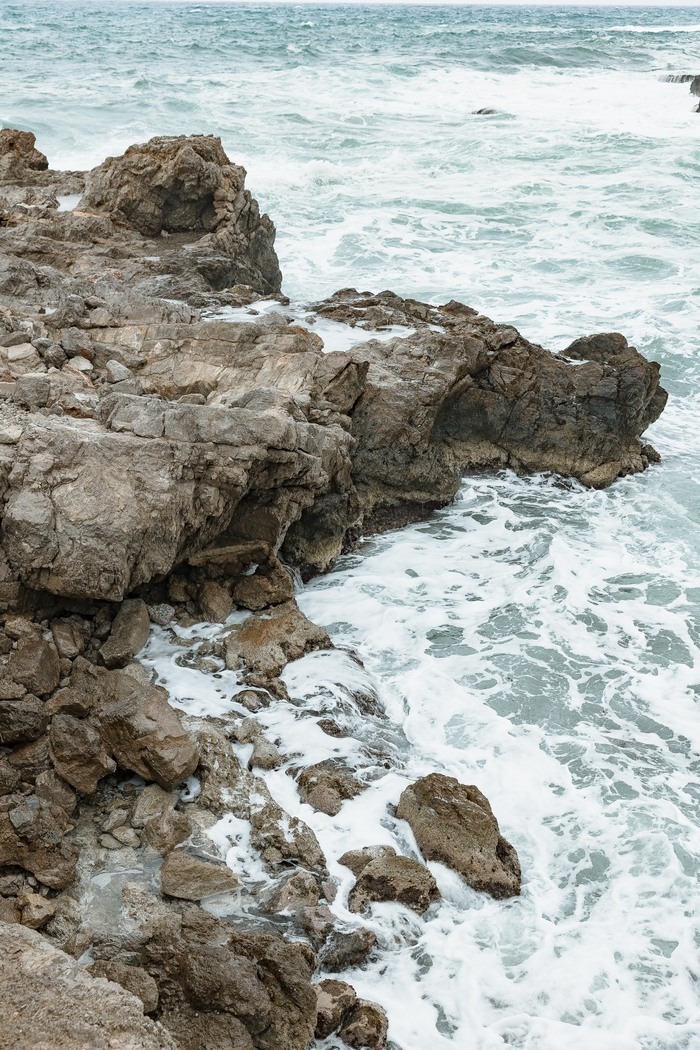
Tips for taking spectacular photos European destinations with the most picturesque landscapes
Capturing the essence of European destinations with the most picturesque landscapes requires more than just a good camera: it’s about observing the light, the surroundings, and the details that make each place unique. First, take advantage of the early morning or late afternoon, when the light is soft and warm, ideal for highlighting textures, colors, and reflections in lakes, rivers, or historic facades.
Another key tip is to plan your compositions in advance. Look for lines that guide the viewer’s eye, such as cobblestone paths, meandering rivers, or terraced landscapes, and combine wide shots with close-ups to tell a more complete story of each location.
Don’t underestimate the importance of the weather and the seasons: fog, light rain, or snow can add drama and depth to your photographs, while blossoming fields or golden autumn forests offer compositions bursting with color.
Finally, explore unusual perspectives: climb hills, towers, or viewpoints, or play with reflections and shadows to add originality. By following these tips, you can capture the true magic of European destinations with picturesque landscapes and create images that stand out for both their beauty and their storytelling.
What gear to bring for landscape photography in Europe based on your skill level
Landscape photography in Europe can require different equipment depending on your skill level and the type of scenes you want to capture. For beginners, a DSLR or mirrorless camera with a versatile mid-range lens (for example, an 18-55mm) is sufficient for capturing everything from picturesque villages to mountains and coastlines. A lightweight tripod and a polarizing filter also help improve stability and color saturation, especially at sunrise and sunset.
If you’re at an intermediate level, adding wide-angle lenses will allow you to capture more of the landscape and the grandeur of fjords, lakes, or vast fields. A telephoto lens will be useful for distant details, such as mountain peaks or birds in flight. You can also bring ND filters for working with long exposures and giving a silky effect to water or moving clouds.
For advanced photographers, the equipment may include various specialized lenses, drones for aerial views, and accessories such as graduated filters, waterproof backpacks, and extra batteries. Furthermore, using editing software allows you to enhance the light, contrast, and colors of Europe’s picturesque landscapes without sacrificing their natural look.
Adapting your equipment to the level and type of landscape ensures you make the most of every scene, from a tranquil alpine lake to dramatic Atlantic cliffs, guaranteeing that your European landscape photography reflects all the beauty and diversity the continent has to offer.
How much does a photography trip in Europe cost?
Planning a trip to European destinations with the most picturesque landscapes can be tailored to different budgets depending on the duration, comfort level, and chosen destinations. Costs vary considerably, but they can be organized into three categories: low, medium, and high, so that every photographer can find the option that best suits their needs and expectations.
With a low budget, you can travel around Europe for between €330 and €710 for a 7- to 10-day trip. This option includes accommodation in hostels or budget guesthouses, local transport by bus or regional trains, simple meals in cafes or street food, and independent exploration without the need for guided tours. It’s ideal for those who prioritize freedom, exploration, and landscape photography without spending too much.
For a medium budget, the approximate cost is €1,135 to €1,890. This combines comfortable mid-range hotels, efficient and fast transport (trains or domestic flights), meals in local restaurants, and the possibility of taking guided photography tours or activities. This option offers a good balance between comfort, planning, and opportunities to capture the best angles of European landscapes.
If you’re looking for a higher budget, expenses can range from €2,330 to €4,070. This option includes boutique or five-star hotels, flexible transportation with domestic flights or a rental car, gourmet meals, and workshops with professional photographers. It’s perfect for those who want to combine comfort, learning, and the best possible photographic experience, maximizing every opportunity to capture picturesque landscapes in Europe.
In addition, there are some tips that allow you to adjust costs without sacrificing quality. Booking flights and accommodations in advance usually significantly reduces the cost of the trip, while traveling outside of peak season offers softer lighting and more affordable fares. Another option is to take advantage of train passes or loyalty programs, which reduce transportation costs and facilitate travel between different destinations.
For all these reasons, Europe offers endless opportunities for landscape photography, and with a little planning, it’s possible to tailor the trip to any budget. From budget adventures to premium experiences, any option will allow you to explore European destinations with picturesque landscapes and return with images that reflect the magic and diversity of the continent.
Frequently asked questions about European destinations with the most picturesque landscapes
What is the most beautiful destination in Europe for landscape photography?
There isn’t one single place that can be considered “the most beautiful,” but favorites include the fjords of Norway, the Amalfi Coast in Italy, and Lake Bled in Slovenia. Each offers unique landscapes and perfect settings for capturing memorable light, colors, and atmospheres.
Which European country has the most photogenic landscapes?
Several countries stand out for their visual diversity. Norway is ideal for dramatic, mountainous landscapes; Italy combines coastlines and charming villages; while France offers lavender fields and rolling hills that look like they’ve been lifted straight from a painting. It all depends on the photographer’s style.
What are the best European destinations for beginner photographers?
Photographers just starting out often enjoy accessible and varied destinations. Countries like Portugal, with its Algarve region, or Spain, with its white villages of Andalusia, allow for experimenting with light, framing, and composition without logistical complications.
Where to take photos without tourists in Europe?
To avoid crowds, it’s advisable to explore lesser-known places or travel outside of peak season. Rural regions of Romania like Transylvania, or fjords and mountains in Norway, allow you to capture spectacular landscapes in peace and uninterrupted natural light.
Which European destination is best for photographing beautiful villages?
Medieval and colorful villages can be found throughout the continent. Hallstatt in Austria, Cinque Terre in Italy, and Santillana del Mar in Spain are all perfect for capturing cobblestone streets, colorful facades, and architectural details.
Which European destinations with the most picturesque landscapes are best for winter photography?
Winter transforms landscapes into magical settings. The Alps in Switzerland and Austria, the lakes and forests of Slovenia, and the fjords of Norway are prime examples, where snow and soft light create unique atmospheres and spectacular photographs.
Is it better to travel by car or train for photography in Europe?
It depends on the type of landscape and the freedom you’re looking for. Traveling by car allows you to explore rural routes, hidden villages, and make impromptu stops to photograph unique scenes. The train, on the other hand, is ideal for covering long distances comfortably and enjoying panoramic views from the windows, especially in regions like the Alps or the Amalfi Coast. Many photographers combine both methods depending on the destination and the type of photograph they want to capture.
Want to visit European destinations with the most picturesque landscapes for photographers? Contact professionals!
Throughout this article, we’ve seen that Europe offers an incredible variety of settings, from fjords and mountains to medieval villages and endless fields, making it the ideal continent for capturing stunning landscapes.
That’s why planning your photography trip is an opportunity to combine creativity, exploration, and discovery. Choosing the right destination and preparing your route will allow you to capture memorable moments and create a visual record that will last a lifetime.
For this, you can count on the help of professionals. At Perfect Venue, we offer guidance and personalized packages so you can enjoy an unbeatable experience; while the team at Natalia Ortiz Events will take care of organizing and decorating your most special evening or event with elegance and attention to detail.
Don’t hesitate!
If this tour of European destinations with the most picturesque landscapes has inspired you and you want to know more, then take a look at these 12 perfect locations for engagement photos; this photoshoot with a floating dress in Venice; and a photoshoot with a floating dress on Lake Como.
Your next photo adventure is just a click away!